Designing your first home in Dubai can feel thrilling yet somewhat daunting all at once. Whether you have only just received the keys to a compact apartment in Dubai Marina or a generous villa on Palm Jumeirah, the decisions in front of you are plentiful. The good news is that the design process feels a lot less overwhelming as soon as you split it into a clear sequence of steps. This beginner’s guide guides you through the full process, from initial ideas to final styling, following how projects genuinely run in the UAE in 2026. Throughout you will come across realistic budgets, sensible timelines, and the local approvals you cannot skip. By the close you should be confident enough to design a home that looks beautiful and works for daily life in the Emirates.
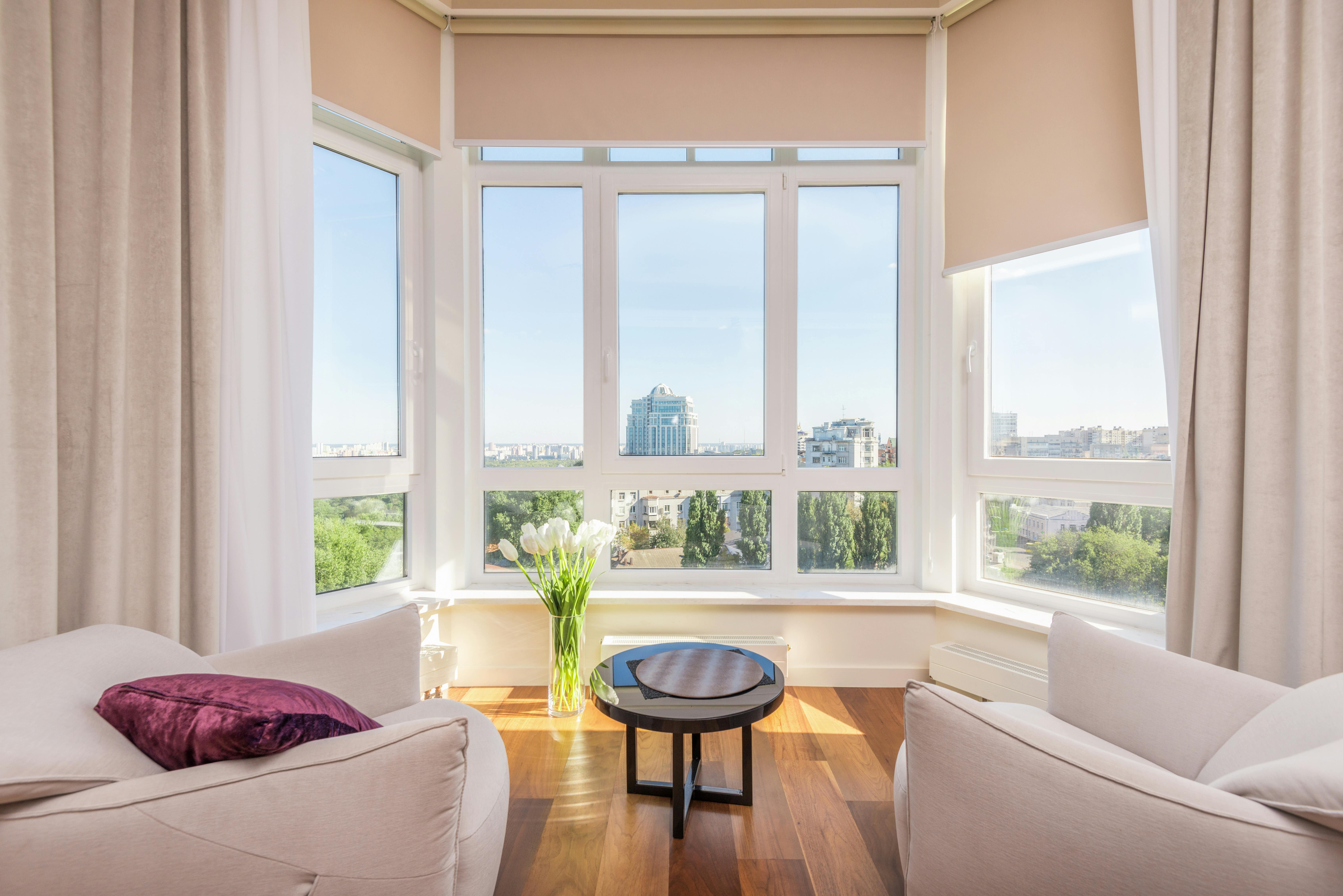
A home project in Dubai is unlike decorating in a cooler, temperate city, and catching the differences early saves money and frustration. Summer temperatures regularly push past 45 degrees Celsius, so materials, fabrics, and finishes must withstand heat, intense sun, and fine sand. Humidity near the coast in areas such as Dubai Marina or Jumeirah can affect timber, so designers often turn to engineered wood, porcelain, and treated surfaces. Since many residents rent instead of owning, a good number of jobs prioritise removable, damage-free upgrades over structural change. Buildings almost always require a No Objection Certificate from the owner or management before any fit-out work begins. Developer handover finishes also vary widely, so one apartment may arrive fully tiled while another is a bare shell. Keeping these local realities in mind from day one guides each choice that comes next.
The most reliable way to approach a home project is to treat it as a sequence of stages rather than one enormous task. Design studios throughout Dubai stick to a broadly similar roadmap, and you can borrow the same logic even on a modest budget. Below, the ten steps go from grasping your lifestyle to the last day of styling and handover. Each stage builds on the one before, so avoid custom palace interior design in dubai the urge to skip ahead to buying furniture. What marks the difference between a calm and a stressful project is taking the early planning stages seriously. Go through the entire list once before you begin to see where the journey leads.
Budget is the single question that shapes everything else, so it deserves honest attention before you fall in love with a look. As a 2026 market estimate, a straightforward apartment refresh in Dubai often runs from around AED 200,000 to AED 340,000, while a mid-range scheme lands closer to AED 400,000 to AED 750,000. Firms regularly quote turnkey interior and fit-out work per square foot, standard residential rates landing around AED 75 to AED 250 and mid-tier schemes near AED 200 to AED 400. Luxury villas and penthouses can rise well beyond AED 600 to AED 1,200 per square foot once bespoke joinery and imported stone enter the picture. Firms typically charge design-only fees at around 10 to 20 percent of the project budget, or by the square foot. Remember that these figures are market ranges rather than fixed quotes, so treat them as a planning tool. The table below rounds up typical 2026 estimates to help you shape your own figures.
| Property type | Scope of work | Estimated 2026 total (AED) | Usual timeline |
|---|---|---|---|
| 1-2 bed apartment | Entry-level refresh | 200,000 – 340,000 | 6 – 8 weeks |
| 2-3 bed apartment | Mid-range fit-out | 400,000 – 750,000 | 8 – 10 weeks |
| 3-4 bed villa | Full renovation | 250,000 – 600,000 | 10 – 14 weeks |
| Premium villa | Turnkey bespoke | 600,000 – 2,000,000+ | 20 – 36 weeks |
Time is easy to underestimate, especially for first-time clients who expect a home to come together in a fortnight. In practice, a typical Dubai apartment project takes around 6 to 10 weeks from the start of work to handover, assuming decisions are made promptly. A villa typically takes 10 to 14 weeks, while large luxury homes can extend to between 20 and 36 weeks where bespoke elements feature. Inside that window, the concept phase usually runs 2 to 4 weeks, detailed design another 4 to 8 weeks, and permits or NOC approvals a further 2 to 6 weeks. On-site execution typically lasts 4 to 8 weeks, then a brief snagging window of 1 to 2 weeks. Delays usually stem from slow decisions, imported items held up in shipping, or approvals left to the last minute. A little buffer built into the plan keeps the whole thing stress-free.
The part beginners overlook most is approvals, and ignoring them can bring a project to a halt overnight. Before any fit-out or renovation starts, you usually need a No Objection Certificate from the building owner or management company. After that, a fit-out permit is applied for through the relevant authority, usually Dubai Municipality across most of the city. Certain communities and free zones sit under the Dubai Development Authority or Trakhees instead, so check which body governs your address. Work affecting fire safety must meet Dubai Civil Defence requirements, and utility changes bring in DEWA. As a rough 2026 benchmark, standard approvals usually come through in about 3 to 10 working days. Working these steps into your timeline from the start prevents costly stop-work surprises.
A handful of predictable mistakes catch out nearly every first-time client, and simply being aware helps you avoid them. Most of these errors come from rushing ahead or skipping the planning stages described above. They usually cost money, waste time, or saddle you with a compromise you notice daily. The good news is that every one is easy to avoid once you know to look for it. Keep the short checklist below close as you plan and revisit it before every big decision. Some caution today spares a lot of regret tomorrow.
With a clear sequence in front of you, a first home project in Dubai becomes a series of manageable decisions rather than one daunting leap. Begin by grasping how you really live, then let budget, layout, and materials settle around that foundation. Respect the local realities of climate, approvals, and handover conditions, and you will avoid the traps that catch most beginners. Established studios such as Zen Interiors and Muse Design show how turnkey planning keeps a project coordinated from concept to styling, and the same logic scales down to smaller homes. Leave your contingency untouched, make prompt decisions, and set a realistic timeline that factors in permits. Read every figure here as a 2026 market estimate meant to guide your thinking, not a fixed price. Manage that, and your Dubai home should come together with much less stress than you feared.


Comment (0)